
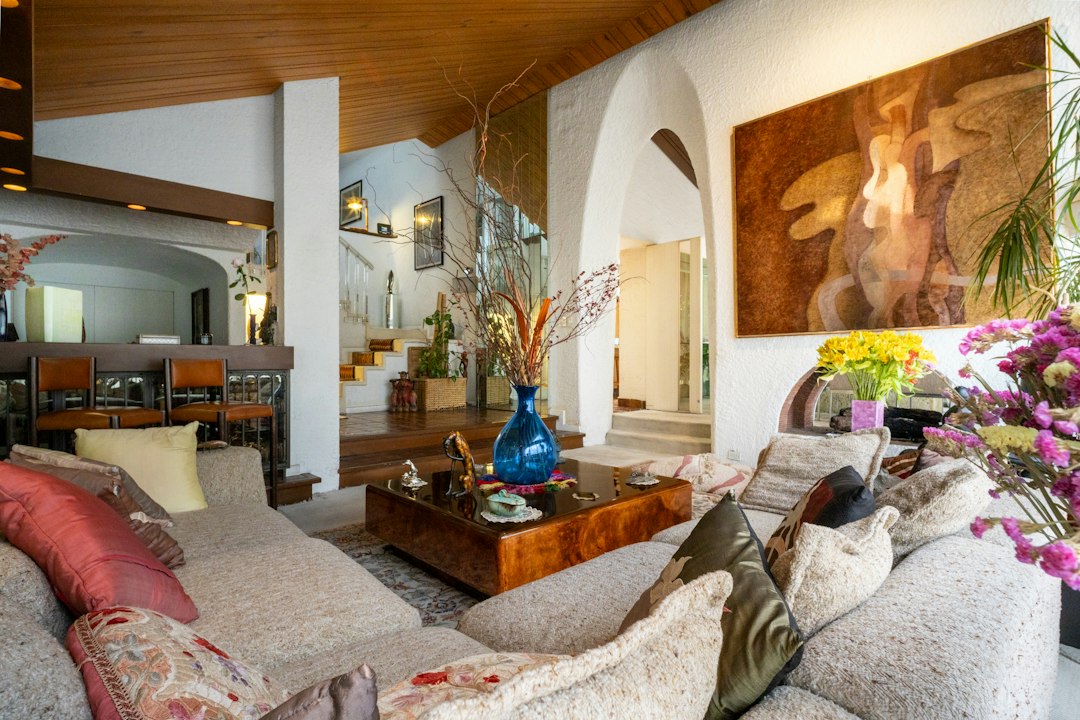
Choosing the right color palette for your home interiors is a crucial step in creating a space that reflects your personality and meets your lifestyle needs. Many homeowners underestimate the impact that color can have on mood, perception, and even the functionality of a space. This article aims to demystify the process of selecting a color palette, addressing common misconceptions while providing practical insights that can help you make informed decisions.
Myth: Any Color Can Work in Any Space
One of the most prevalent myths is that any color can be used in any room without consequences. While it is true that personal preference plays a significant role in color selection, the reality is that different colors evoke different emotions and can alter the perception of space. For instance, lighter colors tend to make a room feel larger and more open, while darker shades can create a cozy, intimate atmosphere. Understanding the psychological effects of color is essential for achieving the desired ambiance in your home.
Moreover, the function of the room should guide your color choices. For example, vibrant colors might be suitable for a playroom or a creative space, but they may not be the best fit for a bedroom where tranquility is desired. By considering both the emotional impact of colors and the intended use of each space, you can create a harmonious environment that serves your needs.
Truth: Color Can Influence Mood and Perception
The truth is that color significantly influences mood and perception, making it a powerful tool in interior design. Warm colors like reds, oranges, and yellows can energize a space and stimulate conversation, making them ideal for social areas like living rooms and kitchens. In contrast, cool colors such as blues and greens promote calmness and relaxation, making them perfect for bedrooms and bathrooms. By strategically using color, you can enhance the functionality of your spaces and create an atmosphere that aligns with your lifestyle.
Additionally, the way light interacts with color can change its appearance throughout the day. Natural light can make colors appear brighter and more vibrant, while artificial lighting can soften or alter their tone. Therefore, it is essential to test paint samples in different lighting conditions before making a final decision. This practice ensures that the chosen color palette will look as intended at various times of the day.
Myth: You Should Stick to Neutral Colors for Resale Value
Another common misconception is that sticking to neutral colors is the best strategy for maximizing resale value. While neutral tones can appeal to a broad audience, they do not have to be the only option. In fact, well-chosen accent colors can add character and uniqueness to your home, making it stand out in the market. Buyers often appreciate homes that reflect a sense of style and personality, which can be achieved through thoughtful color choices.
Moreover, incorporating color does not mean overwhelming a space with bold hues. Instead, consider using a neutral base complemented by vibrant accents in decor, furniture, or artwork. This approach allows you to express your style while maintaining a versatile backdrop that appeals to potential buyers.
Truth: Color Coordination Enhances Aesthetic Appeal
Color coordination is vital for creating a cohesive and aesthetically pleasing environment. When selecting a color palette, consider the overall flow of your home and how different rooms connect. A well-coordinated palette can create a sense of unity throughout your space, making it feel more harmonious and inviting. Start by choosing a primary color that resonates with you, then select complementary and accent colors that enhance its beauty.
Additionally, using tools like color wheels and online design apps can help you visualize how different colors work together. These resources can guide you in selecting shades that not only look good together but also reflect your personal style. By investing time in color coordination, you can elevate the overall design of your home and create a space that feels both stylish and comfortable.
Conclusion: Embrace Your Unique Style
Ultimately, choosing the right color palette for your home interiors is about embracing your unique style while considering the practical aspects of color. By debunking common myths and understanding the truths about color psychology and coordination, you can make informed decisions that enhance your living space. Remember that your home should be a reflection of who you are, and the colors you choose play a significant role in that expression.
Take the time to explore different color options, test samples, and visualize how they will work in your space. With the right approach, you can create a home that not only looks beautiful but also feels like a true sanctuary tailored to your lifestyle.